Published on
Young people haven't stopped drinking wine (good news for restaurants)
The data debunks the cliche: young people haven't abandoned wine, they've changed how they choose it. And they're asking to be guided — an opportunity for restaurants.
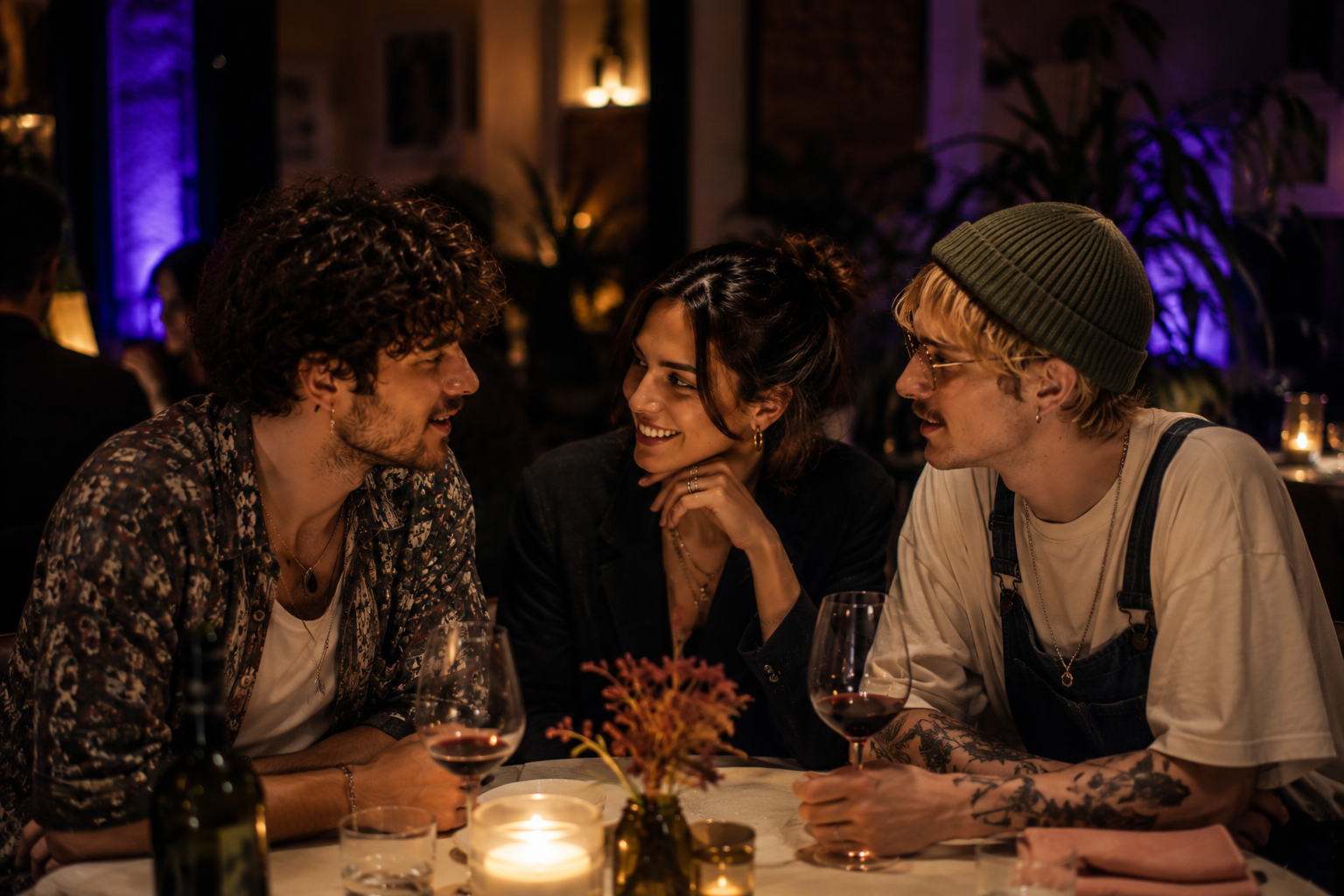
There’s a phrase that has been circulating in the wine world for a few years and has become almost a dogma: “young people don’t drink wine anymore.” You hear it at conferences, you read it in reports, you repeat it at the bar. It’s convenient, because it pins a precise culprit on the fall in consumption. Pity that the data tells a different story — and a far more useful one for anyone who actually runs a restaurant.
The numbers, before the cliches
Let’s start with the big picture, which admittedly isn’t brilliant. According to the OIV (the International Organisation of Vine and Wine), in 2024 global wine consumption fell to around 214 million hectolitres, down 3.3% on the previous year: the lowest level since 1961. Among the causes, the OIV doesn’t point to young people, but to a tangle of inflation, geopolitical uncertainty and changes in lifestyles and consumption habits.
Italy, in all this, held firm: domestic consumption stayed substantially stable while almost every major market retreated. And here comes the figure that should give pause to anyone who keeps pointing the finger at Generation Z.
The Uiv-Vinitaly Observatory, in its report “Profile and attitudes of the new wine consumers in Italy” presented in March 2026, counts just under 30 million wine consumers in our country: 55% of the population. A figure stable over the last five years and up by more than 600,000 compared with 2011. Translated: the audience hasn’t emptied out.
So why are people drinking less? Not because someone stopped, but because the how has changed. The share of those who drink every day has fallen — especially among older generations — and moderation has grown: people have moved from excessive quantities (over half a litre) to 2-3 glasses. The Observatory itself, data in hand, explicitly “acquits” young people of being responsible for the decline.
How young people really drink
The point isn’t that young people are less interested in wine. It’s that they experience it differently from those who came before them. Three things, above all.
- They drink it mostly out of home, and their favourite place is the restaurant. Wine, for them, is less a daily ritual of the table and more a social moment, an experience, even an identity.
- They’re the most curious and the most open to experimenting: new styles, new formats (four in ten would buy wine in a can, according to the Observatory), “light” versions and “sober curious” periods of lighter consumption.
- And no, it isn’t true that they’ve abandoned reds. On the contrary: at the top of Gen Z’s preferences are big, structured reds — Amarone della Valpolicella in the lead, followed by Barbaresco, Taurasi, Bolgheri and Chianti.
This is a more conscious, less habitual consumer. They may drink less often, but when they do they look for something worth it — and they’re willing to spend to find it.
The real news: they want to be guided
Here’s the figure that, from our point of view, is worth all the rest of the report. Generation Z is the group most willing to be advised. 61% of the youngest read tips or reviews on websites and blogs before choosing or buying a wine — a habit that collapses to 38% among Millennials and 24% among older consumers. And it’s Gen Z again that has the greatest propensity to let itself be guided in choosing out of home.
As Carlo Flamini, head of the Uiv-Vinitaly Observatory, sums it up: “every label can be the right one, if offered to the right consumer.” It’s a simple sentence with an enormous consequence for the restaurant trade.
Because it puts a finger on a paradox. We have a generation that asks to be advised, that decides on the wine right there at the restaurant, and that before choosing goes looking for a story or a review. And often, on the other side of the table, it finds a printed wine list, long, mute — and a waiter rightly in a hurry. The demand is there. It’s the supply of guidance that’s missing.
What it means for anyone running a restaurant
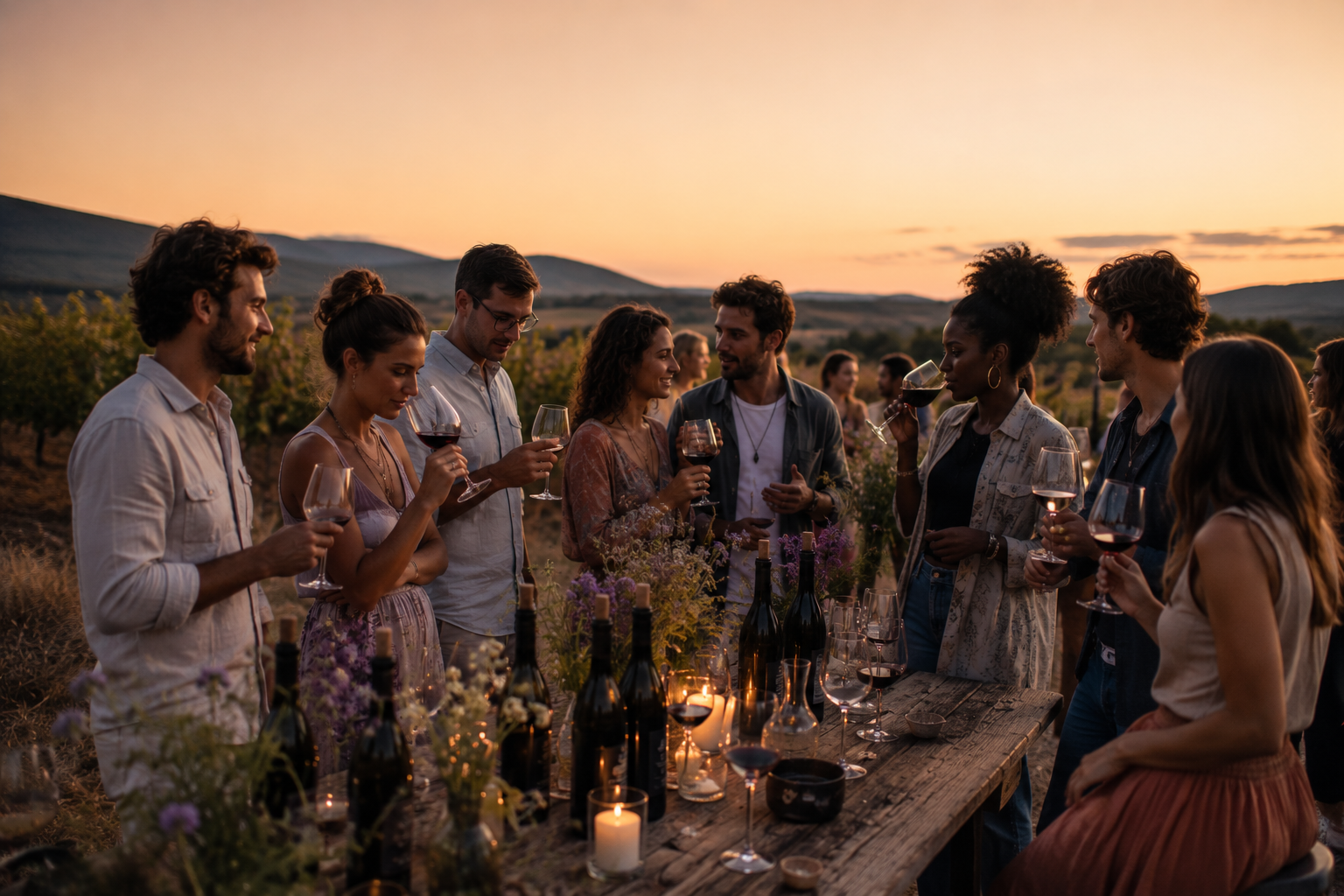
The operational conclusion is fairly direct: today the wine list can no longer be just a price list. It has to become a tool that guides, that tells a story, that lowers the friction of that moment of uncertainty when the customer thinks “I don’t know what to choose.” In practice that means three moves:
- Let the labels speak: two lines of story, a suggested pairing, a why. It’s what the young consumer already goes looking for online — so you might as well offer it at the table.
- Reduce the effort of choosing: a good by-the-glass selection lets people try without committing to a whole bottle, which is exactly the language of those who experiment and moderate.
- Meet them where they decide: at the table, and increasingly on their phone.
This is exactly the problem we’re working on with Ambrosia. Our interactive wine list — with Dioniso, the AI sommelier — exists to do at the table what a great sommelier would do if they could be everywhere at once: tell the bottle’s story, suggest the pairing, answer “what do you recommend?”. Not to replace the sommelier, but to bring that guidance to every table, even when the staff are under full pressure. Pairbuilder does the same on the food-and-drink pairing front, and Experience turns all of this into tasting events. It’s our hypothesis on how to meet a consumer who wants to be accompanied, not left alone in front of a list.
We’re not the only ones saying it. At Vinitaly 2026 the Wine and Restaurant Observatory of Uiv and Fipe presented a study titled, not by chance, “The consumer at the centre: the new alliance between wine and restaurants.” When the industry itself starts talking about an alliance between wine and the dining room, it means the restaurant table has officially become the place where the game is played.
In conclusion
Young people haven’t abandoned wine. They’ve only changed the way they ask for it — and, in the end, they’ve asked the easiest question to answer there is: “recommend me something.” The restaurants that learn to answer that question well — with clarity, with a story, without friction — are the same ones that will sell more wine over the next ten years. The fall in consumption, seen from here, looks far more like a badly told opportunity than a sealed fate.
Ambrosia Team Wine, AI and new conversations — one bottle at a time.
Sources
- OIV — State of the World Vine and Wine Sector in 2024 (global consumption 214 mln/hl, -3.3%, lowest since 1961). April 2025.
- Uiv-Vinitaly Observatory — “Profile and attitudes of the new wine consumers in Italy” (~30 mln consumers, 55% of the population; moderation and occasional drinking; 61% of the youngest read tips and reviews; Gen Z preferences for structured reds). March 2026.
- Uiv-Fipe Wine and Restaurant Observatory — study “The consumer at the centre: the new alliance between wine and restaurants”, Vinitaly 2026.
- Data drawn from OIV, Unione Italiana Vini (UIV), WineNews, Gambero Rosso, Il Sole 24 Ore and Beverfood.
